Acne Studios
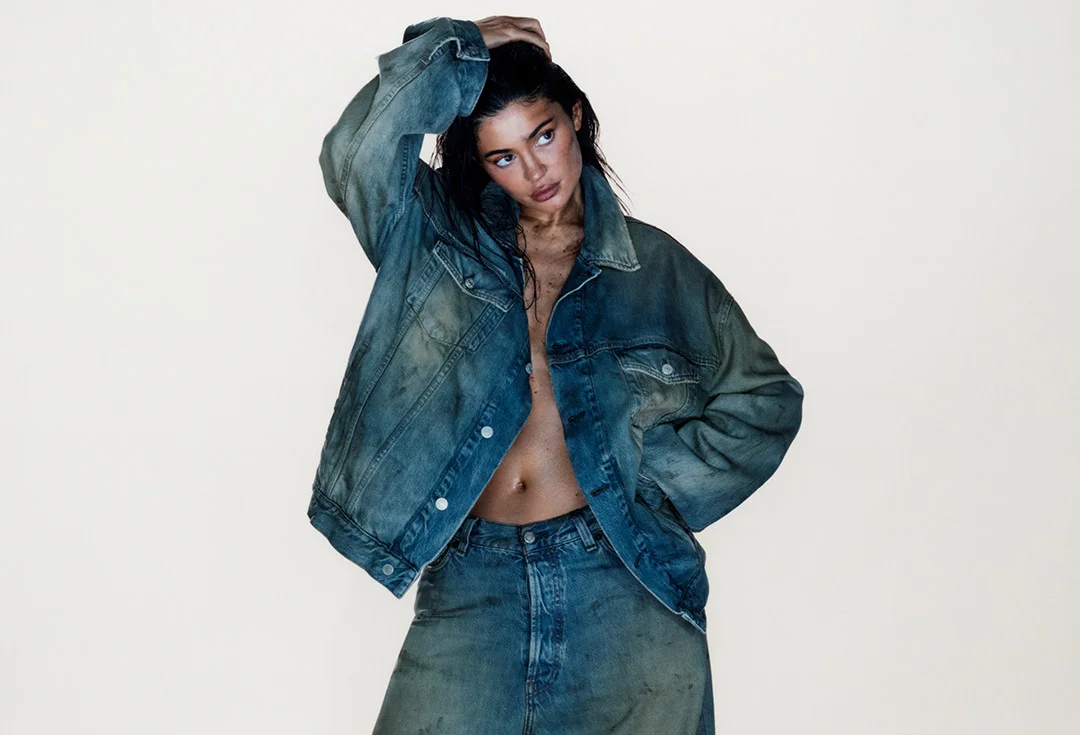
About The Brand
- Founded: 1996 · Stockholm, Sweden
- Founder: Jonny Johansson, Mats Johansson, Jesper Kouthoofd, Tomas Skoging
- Headquarters: Stockholm, Sweden · Sweden
- Revenue: €300–350M (FY 2024, estimated (Group))
- Employees: ~1,000 (2024)
Acne Studios's Brand History
Acne Studios is a Swedish luxury fashion house founded in Stockholm in 1996 by Jonny Johansson, Mats Johansson, Jesper Kouthoofd, and Tomas Skoging. It began not as a fashion label but as a multidisciplinary creative collective named ACNE, spanning graphic design, film, and advertising, with the clothing line emerging as one branch among several.
The fashion business traces to 1997, when Johansson produced 100 pairs of raw denim jeans with red contrast stitching and gave them away to friends and family. Press attention drove wholesale demand from Swedish boutiques, and the first full ready-to-wear collection followed in 1998 under the name Acne Jeans. Red contrast stitching on raw and selvedge denim became the brand's founding signature.
The fashion business spun off as a standalone company, Acne Studios, in 2006, separating from the collective's film, advertising, and digital divisions. The first Paris store opened in 2008 beneath the Palais-Royal arcades, and the house staged its inaugural Paris Fashion Week runway show in 2010, the same year Mattias Magnusson was appointed CEO.
Jonny Johansson, a founder, has been Creative Director since 1996. A former musician with no formal fashion training, Johansson built the brand's codes around oversized, sculptural silhouettes, custom-developed fabrics, and an emphasis on tailoring. The house historically avoided conventional campaign advertising, building its identity instead through publishing and exhibitions.
The house is known for several recurring codes: the Musubi bag, an origami-knot leather handbag introduced in 2017 and inspired by Japanese obi sashes; the Face motif, a two-dot, one-line emoticon launched as a clutch in 2013; the oversized fringed Canada scarf; and the salmon-pink shopping bag credited with helping popularize millennial pink. The Blå Konst line, launched in 2017, re-anchored the brand to its denim origins.
Acne Studios is the most internationally recognized Scandinavian contemporary-luxury house, with estimated group revenue of €300–350 million in 2024 and roughly 1,000 employees across 15 countries. The company is majority-controlled by Johansson and executive chairman Mikael Schiller, with minority stakes held by IDG Capital and Hong Kong's I.T Group since 2018; CEO Mattias Magnusson has set a target of €500 million in annual revenue. The brand operates stores across Europe, North America, and Asia, including in Stockholm, Paris, London, New York, Seoul, Tokyo, and China. It introduced its first fragrance, created with perfumer Frédéric Malle, in 2024, and finalized B Corp certification the same year, entering its 30th-anniversary year in 2026 under continued founder control.
Creative Directors
- Jonny Johansson (1996–present)
Milestones
- 1996 ACNE collective founded in Stockholm — Jonny Johansson and three partners start a multidisciplinary collective spanning graphic design, film, and advertising.
- 1997 The 100 raw denim jeans — Johansson produces 100 pairs of red-stitched raw denim and gives them away, seeding wholesale demand that launched the fashion line.
- 1998 First full ready-to-wear collection — Trading as Acne Jeans, the label presents its first complete ready-to-wear collection on the Stockholm runway.
- 2006 Rebrand to Acne Studios and spin-off — The fashion business becomes a standalone company, separating from the collective's film, advertising, and digital divisions.
- 2008 First Paris store at Palais-Royal — The brand opens its first Paris boutique beneath the Palais-Royal arcades, beginning its international retail expansion.
- 2010 Paris Fashion Week debut — Acne stages its inaugural Paris Fashion Week runway show; Mattias Magnusson is appointed CEO the same year.
- 2013 Face motif debuts — Originally a clutch for a runway show, the two-dot emoticon becomes one of the brand's defining signifiers.
- 2015 Eyewear collection launches — The house introduces its first full eyewear collection, broadening its accessories range beyond leather goods.
- 2017 Three category-defining launches — The Blå Konst denim line, the Musubi bag, and the standalone Face Motif collection all launch in a single year.
- 2018 Minority stake sale — IDG Capital and I.T Group acquire a combined 41% at a roughly $480M valuation; Johansson and Schiller retain majority control.
- 2024 First fragrance and B Corp certification — The house launches its first fragrance and finalizes B Corp sustainability certification the same year.
Signature Pieces
- Raw Denim Jeans (1997) by Jonny Johansson — The brand-founding artefact: 100 pairs of raw denim with red contrast stitching, hand-distributed to friends and family. Press coverage drove wholesale demand and seeded the fashion company. Red contrast stitching remains a denim signature.
- Musubi Bag (2017) by Jonny Johansson — An origami-knot leather bag inspired by Japanese obi sashes, sized from micro to bucket. It remains the brand's signature handbag and a fixture of the permanent collection, retailing from $1,200 to $2,550.
- Face Motif (2013) by Jonny Johansson — A two-dot, one-line emoticon representing the Swedish concept of lagom, or neutrality. Introduced as a runway clutch, it became a standalone collection in 2017, appearing across knitwear, scarves, sneakers, and accessories.
- Canada Scarf (2007) by Jonny Johansson — An oversized fringed wool scarf, 200cm by 70cm, identified by the pink Acne Studios label on one corner. A cult winter item in fashion press, it remains a permanent core piece.
- Blå Konst (2017) by Jonny Johansson — Blue Art in Swedish, a permanent denim sub-collection of six core fits built to re-anchor the brand to its denim roots. It launched with a campaign by photographer Collier Schorr.
- Pistol Boot (2010) by Jonny Johansson — A side-zip ankle boot, one of the dominant European street-style boots of the early 2010s. It became a long-running brand bestseller and remains in the core line.
Notable Collaborations
- Frédéric Malle (2024) — Acne's first fragrance, an aldehydic floral co-created with publisher Frédéric Malle and nose Suzy Le Helley. It marked the brand's entry into beauty.
- Fjällräven (2018) — A 13-piece capsule reworking the Swedish outdoor brand's icons, including the Kånken backpack. It was the first time Fjällräven allowed an external brand to redesign its core silhouettes.
- Mulberry (2019) — A 17-piece leather-goods capsule fusing Mulberry's Bayswater with Acne's Musubi knot, produced at Mulberry's Somerset factory. A peer-to-peer pairing of two European houses.
- Lanvin (2008) — A denim couture capsule commissioned by Lanvin's Alber Elbaz, the first time a Paris couture house tapped a Scandinavian contemporary brand.