A fall skincare routine starts with paying attention to how your skin feels. Tightness after washing, dry patches and a moisturizer that no longer keeps your face comfortable through the afternoon are useful signs that something needs adjusting. If your skin still feels good, there is no reason to replace everything on the bathroom shelf.
As the weather cools and indoor heating comes on, you may need gentler cleansing, another layer of hydration or a richer moisturizer. Start with the part of your routine that is no longer working and make one change at a time.
Start with cleansing
If cleansing leaves your face uncomfortable, look at both the formula and how you use it. Keep the water warm rather than hot, use your fingertips and resist scrubbing. Your skin should feel clean and comfortable afterward.
Prequel Gleanser Non-Drying Glycerin Cleanser is a good option for this step. The fragrance-free formula contains 50% glycerin, alongside oat and aloe, and produces a fine, creamy lather. Massage it onto wet skin and rinse thoroughly.
Add hydration without making every layer heavier
A light layer underneath your moisturizer can be a useful adjustment, particularly if you dislike the feeling of a heavy cream. Choose one fluid moisturizer, essence or hydrating serum, then see whether your skin needs anything more.
Prequel Half & Half Fluid Moisturizer is a great option for layering. Its liquid texture contains ceramides, peptides and amino acids. Shake it into your palms and press it into the skin. For oilier skin, it may provide enough moisture on its own; for drier skin, use it underneath a cream.
Haruharu Wonder Black Rice Probiotics Barrier Essence is another good choice. It has a milky consistency, with rice extracts, fermented ingredients, panthenol and ceramides. It gives you an additional moisturizing layer without requiring a thick cream at every step.
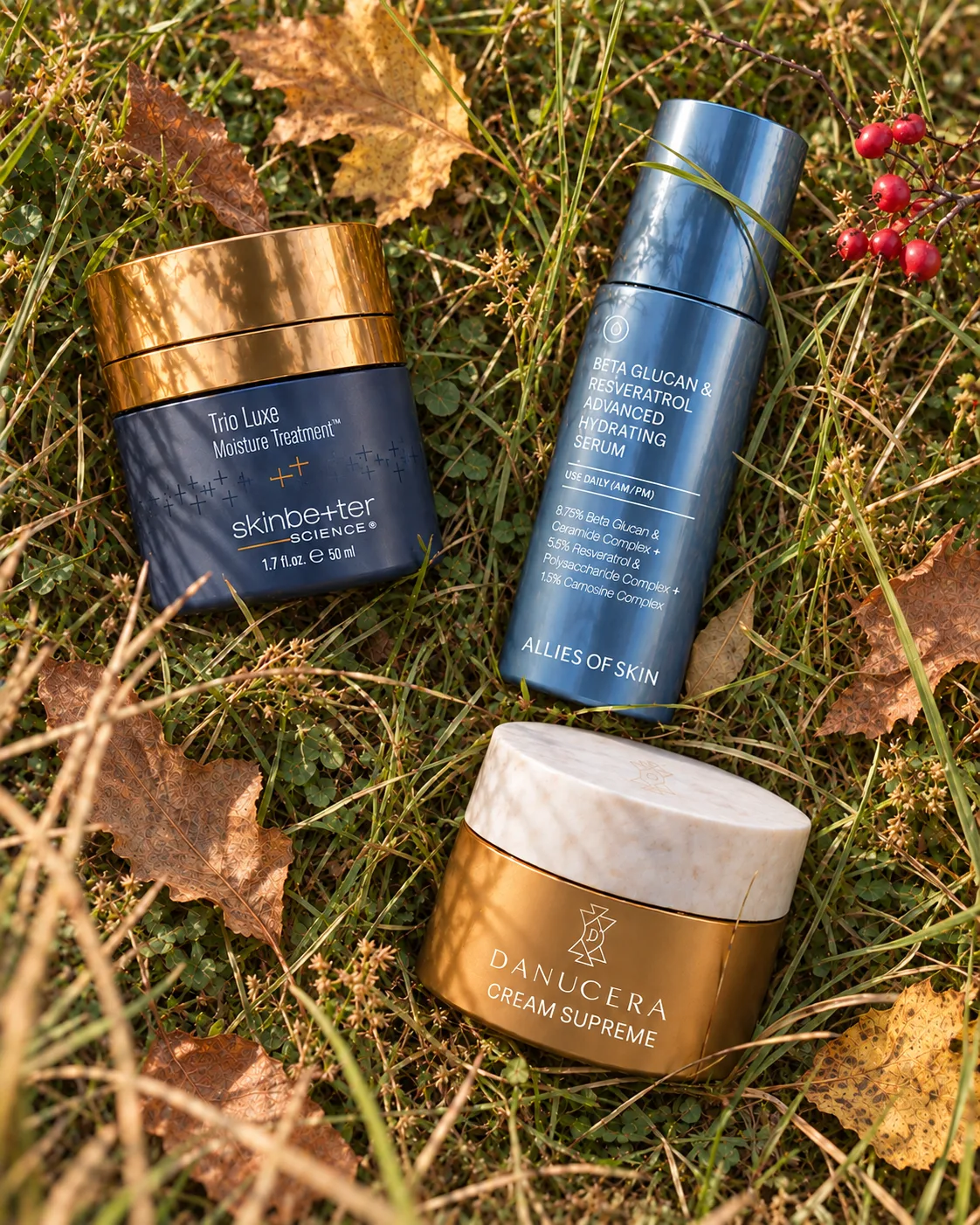
Allies of Skin Beta Glucan & Resveratrol Advanced Hydrating Serum offers a milky serum format, with glycerin, beta-glucan and panthenol, and no added fragrance or essential oils.
BIOEFFECT EGF Essence is a more watery alternative, containing glycerin and sorbitol in an oil-free, fragrance-free formula. Both fit between cleansing and moisturizer. There is no need to use all of these together. Choose the texture that works with the rest of your routine.
Match your moisturizer to how dry your skin feels
A richer cream makes sense when your usual moisturizer is no longer enough. Consider where you feel dry, how long the moisture lasts and whether you enjoy the texture enough to use it consistently. Combination skin may need more moisture on the cheeks than across the forehead and nose.
YISE Beauty Xtremely Rich Brightening & Barrier-Supportive Moisturizer is an option for someone who wants a cream with a lighter feel. It combines squalane, shea butter, glycerin and ceramides. Despite its name, the formula is designed to feel lightweight.
Skinbetter Science Trio Luxe Moisture Treatment is a richer, fragrance-free cream formulated for moderate to severely dry skin. Its combination of cholesterol, ceramides, fatty acids, glycerin and squalane makes it worth considering when a lighter moisturizer no longer keeps skin comfortable.
For very dry skin, Danucera Cream Supreme is an excellent moisturizer. I’ve been using it on mature clients. It has a rich, soft texture, with squalane and shea butter, and is a good option when skin needs a more substantial cream.
Use a cream mask when you want extra moisture
Sisley Black Rose Cream Mask is an optional addition when skin feels dry and you have a little time for a mask. The formula contains shea butter, glycerin, squalane and panthenol. Apply a generous layer to the face and neck, avoiding the eye area, leave it for 10 to 15 minutes and gently wipe away the excess. It contains fragrant essential oils, so choose another option if fragrance bothers your skin.
A mask can supplement your routine, but if your face feels dry every day, give the daily moisturizer more attention first.
Give your skin more time between exfoliation
If you exfoliate frequently, try reducing it to every third evening as the weather gets colder, leaving two nights between applications. This gives you a chance to see whether less frequent use keeps your skin smooth without leaving it tight or uncomfortable. If you already exfoliate less often and your skin feels good, keep that schedule.
You can also reconsider the type of acid you use. Mandelic acid is an option if glycolic acid feels too harsh. Its larger molecular size allows for more gradual penetration. But the concentration and the rest of the formula matter: a product containing mandelic acid is not automatically a mild exfoliant.
Allies of Skin Mandelic Pigmentation Corrector Night Serum, for example, combines mandelic, lactic and salicylic acids in an 11% acid blend, alongside hydrating ingredients such as glycerin and hyaluronic acid. It belongs in the exfoliation step, and its combination of acids is a reason to introduce it carefully. The mandelic acid in the name does not tell the whole story.
Pay attention to how your skin feels afterward and the following morning. Persistent stinging, redness or peeling are reasons to pause exfoliation and concentrate on gentle cleansing and moisture.
Reassess your retinoid separately
Retinol and retinal are forms of vitamin A, part of the retinoid family. They influence skin-cell turnover and can improve uneven texture and tone. Exfoliating acids help shed dead cells from the surface. The results can overlap, but these are different types of treatment, and you do not necessarily need both in your routine.
If your existing retinoid starts to feel drying, reducing its frequency may be enough. You can also consider a moisturizing formula. Allies of Skin Retinal 0.05% & Peptides Repair Night Cream combines encapsulated retinal with peptides, ceramides and other moisturizing ingredients. The 0.05% version is the brand’s introductory strength, designed for people beginning retinoids. That still calls for a gradual introduction.
Skinbetter Science AlphaRet Overnight Cream takes a different approach. The original formula combines a retinoid and lactic acid with additional glycolic acid, plus ceramides, squalane and hyaluronic acid to help counter dryness. It brings retinoid treatment and acid exfoliation into one product, so account for both when planning the rest of your routine.
Choose one treatment to introduce, starting every third evening if your skin tolerates it, and keep the intervening nights focused on moisturizing. With AlphaRet, leave out a separate exfoliant on those treatment nights. Increase frequency only if your skin remains comfortable; nightly use does not have to be the goal.
Give dry skin around the eyes some extra attention
An eye cream can be a useful addition when the skin around your eyes needs more moisture than the rest of your face.
Shiseido Benefiance Wrinkle Smoothing Eye Cream has a particularly rich texture, and I find the moisture really lasts. It’s a good choice when the eye area feels dry and you want a cream with some substance. Start with a small amount and gently smooth it around the eye area.
For a lighter texture, BIOEFFECT EGF Power Eye Cream is another option. Its fragrance-free formula contains glycerin, squalane, shea butter and ceramides. Allow it to absorb before applying sunscreen or concealer.
Choose an SPF with a texture you enjoy
Sunscreen stays in the morning routine through fall. Texture makes a considerable difference to how comfortable it feels, especially when you are already wearing moisturizer underneath it.
For combination to oily skin, I like Numbuzin No.1 Clear Filter Sun Essence SPF50+ PA++++. It feels light and airy, making it a good option if you dislike the weight of a richer sunscreen.
For normal to dry skin, Beauty of Joseon Relief Sun SPF50+ PA++++ is an excellent choice, with a creamier, moisturizing feel. The original Rice + Probiotics version is now called Rice + Niacinamide; the brand confirms that the formula is unchanged.
For these two sunscreens, look for the original Korean formulas where available. I prefer their lighter feel, and those are the versions I’m recommending here.
Apply sunscreen generously as the final step of your morning skincare routine, and reapply at least every two hours when outdoors. For swimming or sweating, choose a formula labeled water-resistant.